



Cosmetic Patch or Acne Drug? How to Read the Box
- cosmetic-patch-or-acne-drug
Pimple patches sold in the U.S. may be cosmetics or over-the-counter acne drugs. Check the intended use and labeling to understand the product you are buying. An OTC drug has a Drug Facts panel with its active ingredient, uses, warnings, and directions.
Quick Facts
Product type | What to look for |
|---|---|
Cosmetic patch | Cosmetic directions and claims; no Drug Facts panel |
OTC acne drug | Drug Facts panel with an active ingredient, purpose, uses, warnings, and directions |
FDA listed vs approved | Listing does not constitute FDA approval or endorsement |
What Determines Whether a Patch Is a Drug?
Under U.S. law, a product’s category depends on its intended use. Claims that it treats or prevents acne can make it a drug. An ingredient name alone does not tell you the product’s category, so read the claims, purpose, active-ingredient section, and directions together.
How to Read the Label
Find the Drug Facts panel. An OTC drug lists its active ingredient, purpose, uses, warnings, and directions in this format.
Check the active ingredient. The panel identifies the active ingredient, its percentage, and its purpose.
Read the uses and directions. These explain what the drug is intended for and how to use it.
Check the exact product name. A brand may sell both cosmetic patches and OTC drugs with different uses and directions.
Where CLERIVY Products Fit
Hydrocolloid Pimple Patch
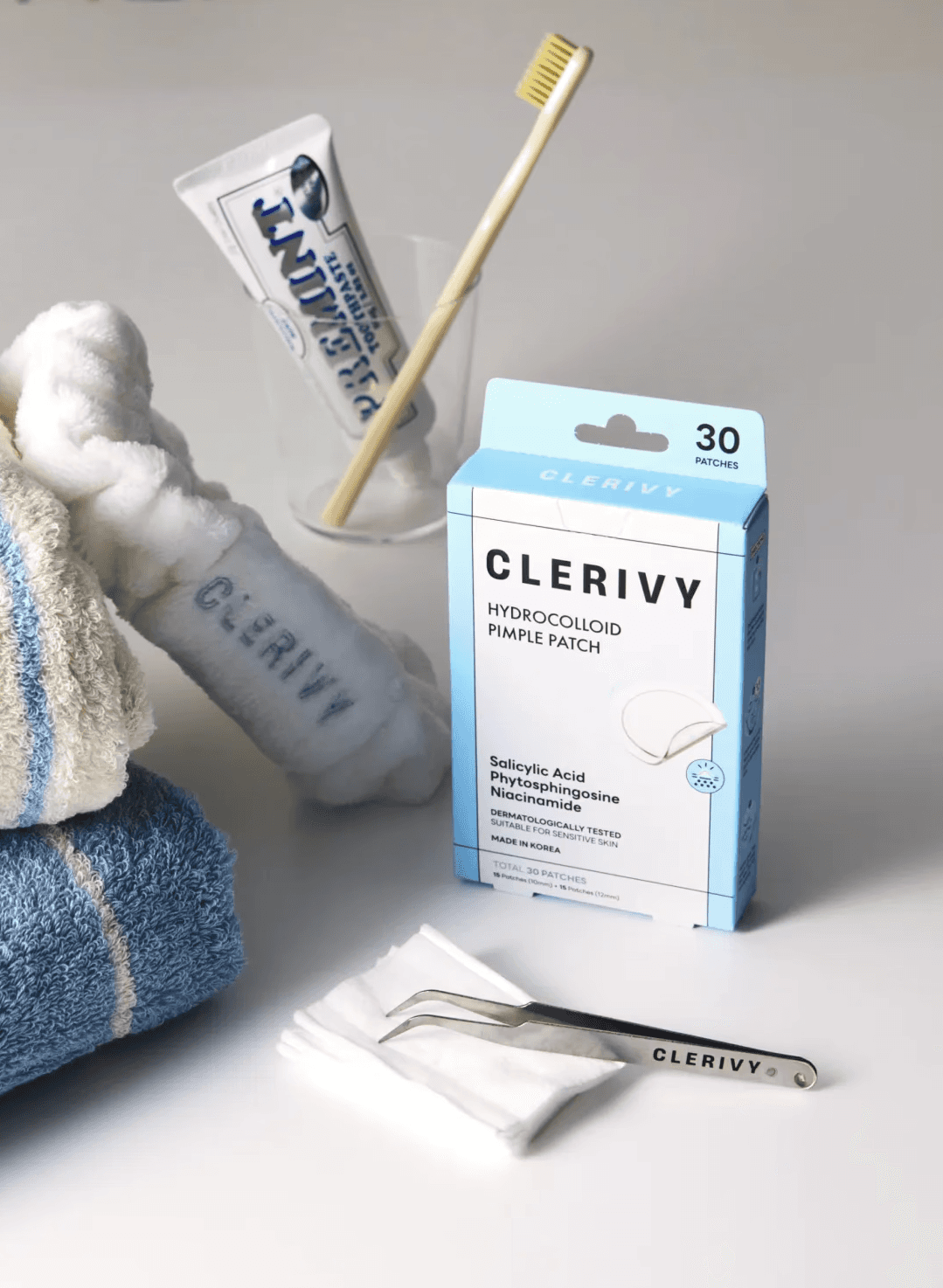
A cosmetic patch for a surfaced spot on healthy, intact skin. It contains less than 0.5% salicylic acid for cosmetic purposes and does not carry a Drug Facts panel. The translucent patch provides targeted coverage, creates a water-resistant barrier, and helps calm and comfort the skin.
Microdart Spot Patch
A cosmetic two-step kit for an early bump you can feel before it surfaces. It contains less than 0.5% salicylic acid for cosmetic purposes and does not carry a Drug Facts panel. Panthenol, Cica, and Zinc PCA help skin feel soothed and comfortable.
Microdart Acne Patch
A separate OTC acne drug with 2% salicylic acid as its active ingredient and its own Drug Facts. Refer to this product’s labeling for its acne-treatment uses, warnings, and directions. View the Microdart Acne Patch.
The Microdart Acne Patch is listed in DailyMed. Listing a drug with FDA does not constitute FDA approval or endorsement.
Choose by Product and Purpose
Look for the product name and read its directions before use. The two cosmetic patches are designed for spot coverage and cosmetic care. For acne-treatment uses and directions, refer to the separate Microdart Acne Patch and its Drug Facts.
Related Reading
Sources
CLERIVY current product labeling and Drug Facts (2026)
CLERIVY Hydrocolloid Pimple Patch and Microdart Spot Patch are cosmetic products. They are not intended to treat, prevent, or cure acne or any other medical condition.
Last updated: September 6, 2026


