



Can You Put a Pimple Patch on a Popped Pimple?
- pimple-patch-on-popped-pimple
Do not apply a CLERIVY patch to a freshly popped pimple if the skin is open, wounded, or damaged. Use patches only on healthy, intact skin. A hydrocolloid patch can then cover a surfaced spot and help keep fingers away from it.
Quick Facts
Situation | Guidance |
|---|---|
Freshly popped, open, or bleeding skin | Do not apply a patch to open, wounded, or damaged skin. |
Healthy, intact skin with a surfaced spot | A hydrocolloid patch can provide coverage. Apply to clean, completely dry skin. |
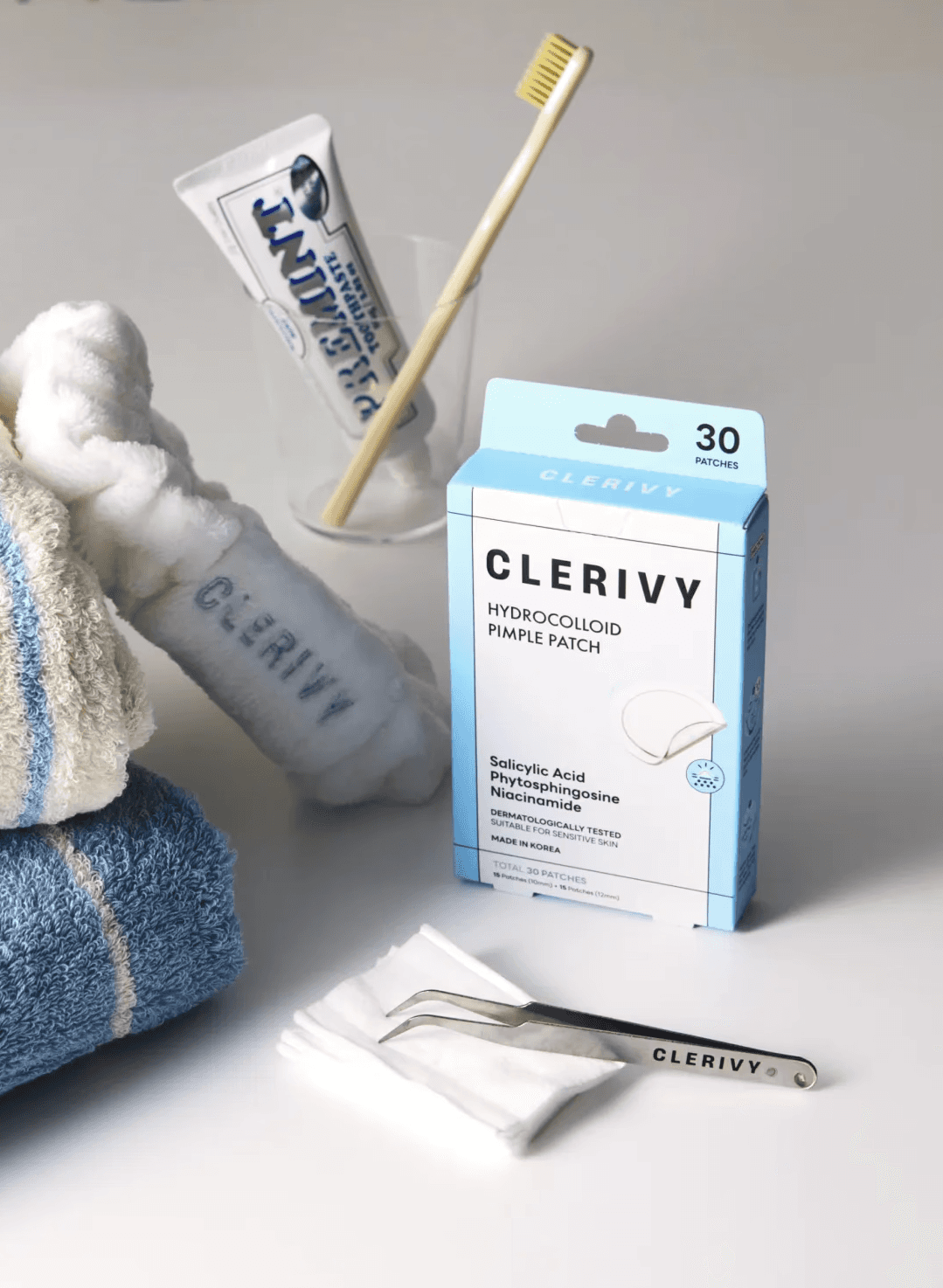
Which patch | Hydrocolloid Pimple Patch — translucent, with a water-resistant barrier; 10 mm and 12 mm sizes in every pack |
Wear time | 4–8 hours, or until the patch turns opaque |
Bleeding, oozing, or signs of infection | Do not apply a patch. Seek professional advice if you notice signs of infection. |
Product type | Cosmetic patch |
Why Wait After Popping?
Skin that has just been squeezed may still be broken, bleeding, or oozing. CLERIVY’s product cautions advise against applying a patch to wounded or damaged skin.
When Can You Apply a Patch?
Wait until the skin is healthy and intact. A pause in bleeding alone does not make wounded or damaged skin suitable for a patch. If you are unsure whether the area is ready, wait and ask a qualified professional.
When the skin is suitable, cleanse gently and let it dry completely before applying the Hydrocolloid Pimple Patch. Leave on for 4–8 hours, or until the patch turns opaque.
What Can a Hydrocolloid Patch Do?
The Hydrocolloid Pimple Patch provides translucent coverage for a surfaced blemish and creates a water-resistant barrier. Covering the spot can also help keep your fingers off it while you go about your day.
Every pack includes 10 mm and 12 mm patches. Choose the size that covers the whole spot with a little room around the edges.
When to Seek Advice
Skip the patch if the area is still open, bleeding, or oozing. Ask a qualified professional about a spot that becomes more painful, swollen, or warm, has spreading redness, or keeps coming back.
This article offers general guidance on using a cosmetic product. A qualified professional can advise you about wounded skin or a persistent concern.
For an Early Bump
If you notice a bump before it surfaces, the Microdart Spot Patch offers a different format for that stage. The two-step kit pairs a Blemish Clearing Pad with a patch containing 16 dissolving microdarts. Apply it to healthy, intact skin without squeezing the spot, and follow the product’s directions.
Related
Sources
CLERIVY on-pack CAUTION (2026)
CLERIVY on-pack DIRECTIONS (2026)
CLERIVY Hydrocolloid Pimple Patch and Microdart Spot Patch are cosmetic products. They are not intended to treat, prevent, or cure acne or any other medical condition.
Last updated: September 6, 2026


